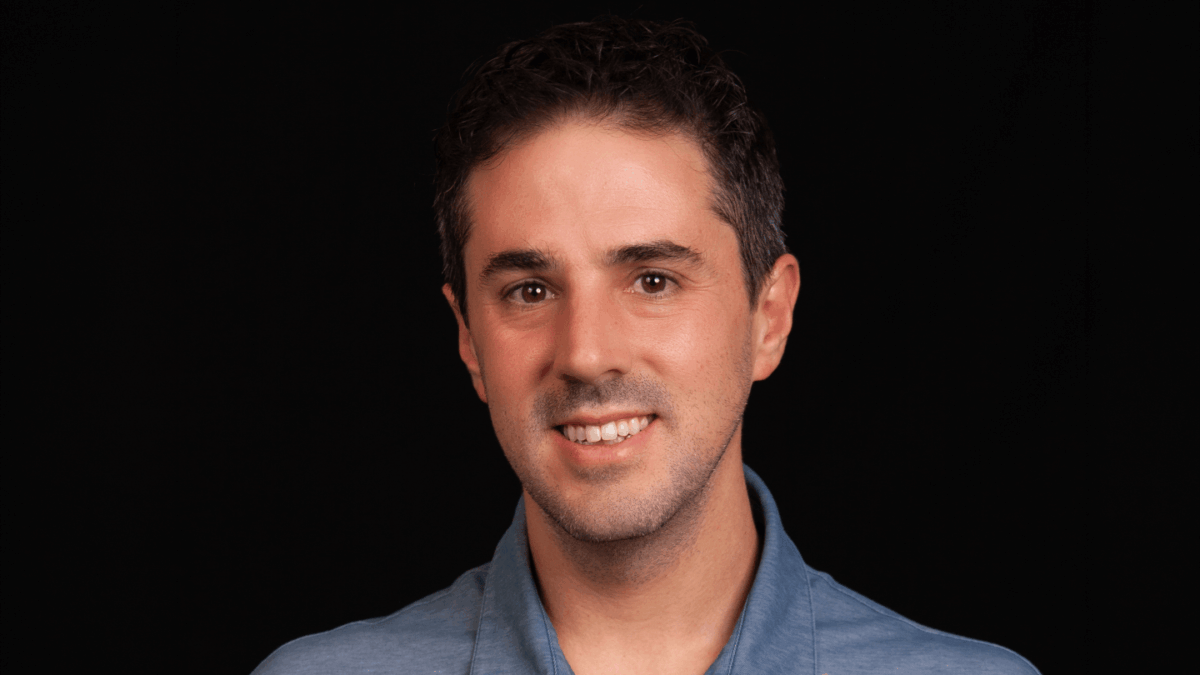
David Tisch is a collector, and always has been.
The first time I met Tisch, I was floored and delighted walking into his New York office: An entire wall-and-more of bears—they’re Bearbricks, to be exact, vinyl bear-like Japanese art-toys. They’re whimsical and unexpected; they can be monochrome, translucent, camo, patchwork, and all together a bit alien. Tisch, who started early-stage venture firm BoxGroup in 2008, has around 600 Bearbricks.
This led to a conversation about how Tisch has been a collector since he was a kid, and when he was 11, in the early days of the internet, it was all about sports cards—hockey, baseball, basketball, you name it. And in some sense, his instincts as a collector then remain true to his career today, investing early in startups. And Tisch and BoxGroup just hit a home run. As I wrote in the profile I just published:
The crown jewel of Tisch’s collection, however, isn’t so easily displayed on a shelf: Tisch and BoxGroup were among the very first investors in AI coding startup Cursor, which this month was acquired by Elon Musk’s SpaceX for $60 billion, the largest VC-backed acquisition of all-time.
The returns are staggering: BoxGroup first wrote a $750,000 check to Cursor CEO Michael Truell, plus two follow-on checks, ultimately proffering a return that should shake out to around $1 billion, a source familiar with the matter told Fortune.
It’s the kind of home run most VCs dream about their whole career and, for Tisch, there are all sorts of throughlines. For one, investing is a form of collecting—from portfolio construction to placing your bets—and Tisch, 45, sees a parallel between investing in startups and the sports cards of his childhood. “Especially in early-stage investing, you’re buying something, someone, at the earliest stage, and then you get to see their careers play out.”
For Tisch—warm with a sardonic edge and, yes, a scion of one of business’s most famous families—the Cursor acquisition also affirms the strategy he’s been chasing all along: That the person you’re backing matters most. And Cursor was sourced by then-principal Claire Smilow (now a partner). So, back in 2022, it was a bet by Tisch on both a young investor and a young founder who, at the time, seemed like he was off-point.
“Michael’s original idea was to do AI for CAD [computer-aided design],” Tisch said. “The decision to get excited about investing in Cursor was never about AI for CAD. It was always about the people.”
In a moment when venture is obsessed with big numbers and endgames, Tisch and BoxGroup’s story is about beginnings—and why they still matter.
Read the feature here.
See you tomorrow,
Allie Garfinkle
X: @agarfinks
Email: alexandra.garfinkle@fortune.com
Submit a deal for the Term Sheet newsletter here.
Joey Abrams curated the deals section of today’s newsletter. Subscribe here.
VENTURE CAPITAL
– DeepCogito, a San Francisco-based research lab developing open AI reasoning models that improve through iterative training, raised $43 million in Series A funding. TQVentures led the round and was joined by Benchmark, NexusVenturePartners, AtreidesManagement, and others.
– Faro AI, a San Diego, Calif.-based developer of an AI platform that helps biopharma companies design and run clinical trials, raised $37.3 million in Series B funding. MerckGlobalHealthInnovationFund and Section32 led the round.
– VoyaEnergy, a Hayward, Calif.-based developer of aluminum-fueled generators designed to provide off-grid, on-demand electricity, raised $35 million in funding. EnergyImpactPartners led the round and was joined by MantisVC, StepStone, and others.
– CeleraSemiconductor, a Santa Clara, Calif.-based designer of analog chips, raised $30 million in Series B funding from MaverickSilicon.
– Arintra, a San Francisco-based developer of AI software designed to help health systems code medical records, prevent claim denials, and improve reimbursement, raised $25 million in Series B funding. Define Ventures led the round and was joined by existing investors PeakXV Partners, YaleNewHavenHealth (YNHH) Center for Health Care Innovation, Endeavor Health Ventures, and others.
– Agentrys, a San Jose, Calif.-based developer of AI software that automates and improves semiconductor-design workflows, raised $24.5 million in funding. EtnaLabs led the $19.1 million seed round and MediaTek led the $5.4 million pre-seed round.
– Runable, a Dover, Del.-based developer of an AI agent platform that helps small businesses create content, conduct research, and automate operational tasks, raised $21 million in Series A funding. SusquehannaVentureCapital and NexusVenturePartners led the round.
– OnosHealth, a San Francisco-based developer of AI software that helps health plans analyze behavioral-health care quality, utilization, and outcomes, raised $17 million in Series A funding. Costanoa led the round and was joined by FlareCapitalPartners and CVSHealthVentures.
– Primero, a Mexico City, Mexico-based provider of AI implementation and transformation services for businesses in Latin America, raised $12 million in seed funding. GeneralCatalyst and Kaszek led the round and were joined by Definition, Conviction and 8VC.
PRIVATE EQUITY
– VictoryCapitalHoldings agreed to acquire FirstEagleInvestments, a New York City-based investment management firm, from GenstarCapital and First Eagle employees for approximately $7 billion.
EXITS
– Nayax acquired IPSGroup, a San Diego, Calif.-based provider of smart parking meters, payment systems, and related software, from WindjammerCapital for $350 million on a cash-free, debt-free basis.
– IndustrialPhysics, backed by KKR, acquired Vitrek, a Lockport, Ill.-based manufacturer of electrical-safety testing and precision-measurement equipment, from BranfordCastlePartners. Financial terms were not disclosed.
OTHERS
– Numa acquired SocketTime, a provider of shop-management software for automotive service departments. Financial terms were not disclosed.